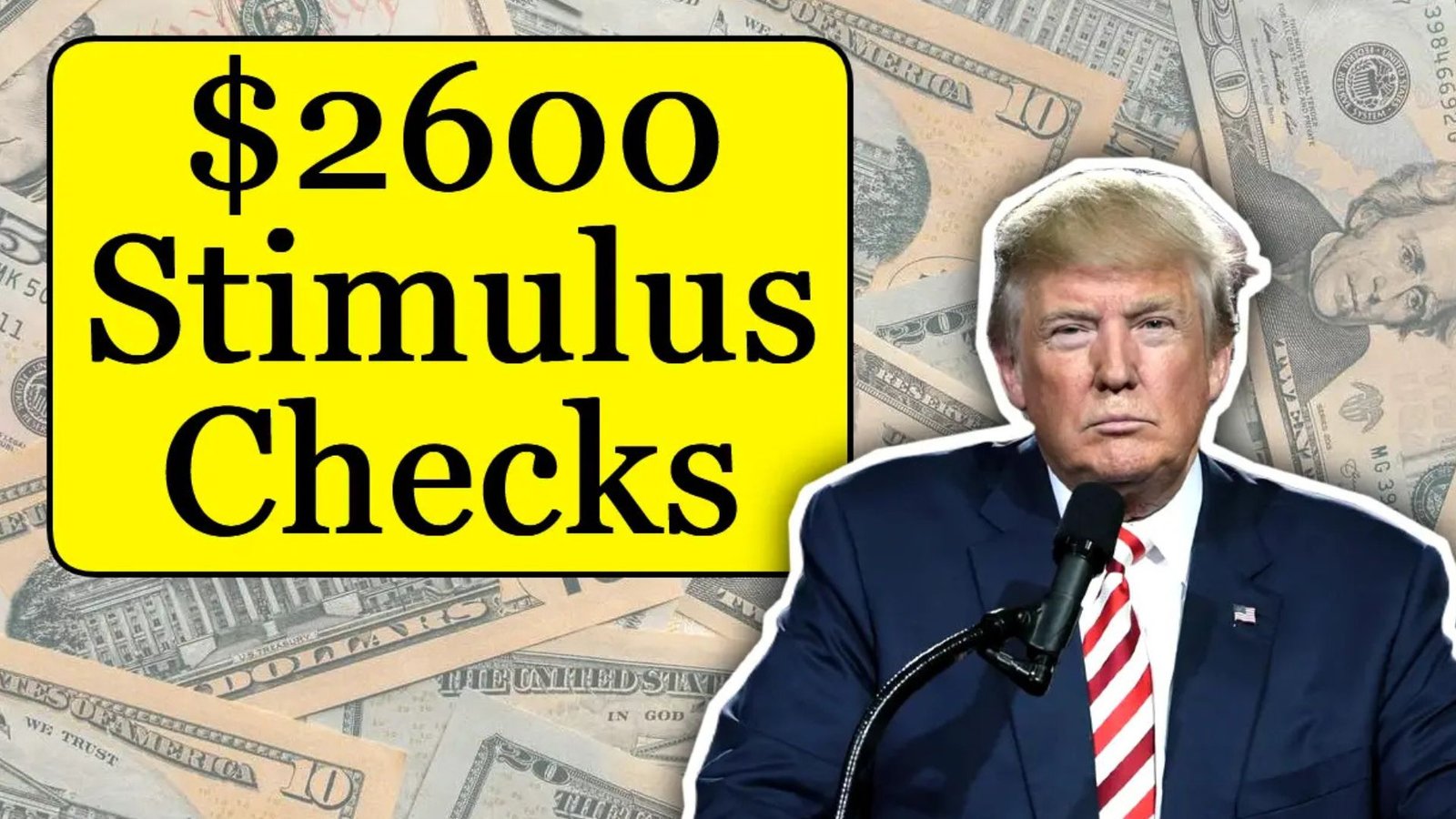
Are you a senior citizen wondering if a new round of financial help is coming your way? Rumors about $2,600 stimulus checks have been buzzing online, promising relief for older Americans facing higher costs for things like housing and groceries. But is this real, or just another misleading story? In this easy-to-read guide, we’ll dig into the facts, explain why these claims are false, and share reliable ways to get the support you deserve. If you’re 65 or older, stick around—we’ll cover eligibility myths, application tips (or why you don’t need them here), and how to spot scams. Remember, as of December 2025, no such program exists, but we’ll point you to real government aid options.
This article is your go-to resource for separating fact from fiction on senior stimulus rumors. Keywords like “2025 senior stimulus check eligibility” and “IRS $2600 payment dates” are what brought you here—let’s get clear answers.
What Are the Rumored $2,600 Stimulus Checks?

These supposed checks are talked about as a one-time payment to help seniors cover daily expenses. The idea is that the government would send $2,600 directly to eligible people, similar to the COVID-19 relief payments from a few years back. But here’s the key: this is not an official program. It’s a hoax that started on social media platforms like Facebook and X (formerly Twitter), designed to grab attention and clicks.
Why Are These Rumors Spreading?
Fake stories like this pop up often, especially when money is tight for many folks. They use exciting headlines created by computers (AI tools) to make them seem real. Groups like the American Association of Retired Persons (AARP) have called out the $2,600 claim as totally untrue. The goal? To trick people into visiting shady websites or sharing personal info. Always double-check with trusted spots like the IRS website.
Is There a Real $2,600 Stimulus Program for Seniors?
Short answer: No. The U.S. government isn’t rolling out new stimulus checks worth $2,600 in 2025. The last big round of Economic Impact Payments (EIPs) happened during the pandemic, and the IRS says all those have been sent out. No fresh approvals for senior-specific cash like this.

That said, seniors have other solid options for financial help. Programs like Social Security, Supplemental Security Income (SSI), and Medicare savings can provide steady support. We’ll touch on those later to keep you informed.
Quick Facts on the $2,600 Senior Stimulus Rumor
To make it simple, here’s a table breaking down the basics of this so-called program:
| Aspect | Details |
|---|---|
| Program Name | Senior Stimulus Checks (Rumored) |
| Amount | $2,600 per person |
| Run By | Claimed: Internal Revenue Service (IRS) |
| Who It’s For | U.S. seniors aged 65+ with no income |
| Payment Method | Direct deposit or mailed check (unconfirmed) |
| Status | Fake—Not approved or real |
| Official Source | Check IRS.gov for truth |
| When It Started | Social media rumors in 2024 |
This table sums it up: exciting on paper, but zero truth to it. Use it as a quick reference when you hear similar tales.
Debunking Eligibility for $2,600 Checks

Even though it’s not real, the rumors say only certain people qualify. Let’s break down the made-up rules in plain English:
- Age Requirement: You’d need to be at least 65 years old. That’s the main group targeted in these stories.
- No Regular Income: The claim is for seniors without jobs or steady pay, like retirees living on fixed budgets.
- U.S. Residency: Only for folks living in the United States, with a valid Social Security number.
- No Felonies: Some versions say you can’t have serious criminal records.
Sounds straightforward, right? But since the whole thing is bogus, no one qualifies because it doesn’t exist. If you’re a senior struggling, look into actual programs instead—more on that below.
How to “Apply” (And Why You Shouldn’t)
The fake articles often give steps to apply, but don’t fall for it. There’s no form to fill out because there’s no program. Scammers use this to steal your details—like your bank info or ID—for identity theft.
If you see a site asking for money or personal data to “claim your check,” close it fast. Real government aid never charges fees or asks for upfront info via email.
Spotting Scams: Red Flags to Watch
- Too-Good-to-Be-True Promises: Instant cash with no strings? Suspicious.
- Urgent Language: “Apply now before it’s gone!”—that’s a trick to rush you.
- Weird Websites: Not .gov? Probably fake.
- Calls or Texts: The IRS doesn’t contact you this way for payments.
Stay safe by sticking to official channels.
Real Payment Dates? Don’t Hold Your Breath
Rumors float around dates like “fall 2025” or “after tax season,” but nothing’s set because it’s not happening. The IRS has been clear: No new stimulus rounds are planned. Past payments went out quickly via direct deposit, but again, that’s history.
For real updates, bookmark IRS.gov and sign up for their alerts. Knowledge is your best defense against misinformation.
Better Alternatives: Legitimate Aid for Seniors in 2025
Since the $2,600 check is a myth, here’s what you can count on:
- Social Security Benefits: Monthly payments for retirees—check ssa.gov to see if you qualify or need adjustments.
- SSI for Low-Income Seniors: Extra cash if your income is below limits; up to about $943 a month for individuals.
- Medicare Savings Programs: Help with health costs—saves thousands yearly on premiums and deductibles.
- Low-Income Home Energy Assistance (LIHEAP): Covers utility bills in cold months.
- State Senior Programs: Many states offer property tax relief or food aid—search your local area.
These are proven ways to ease money worries. Contact 211.org for local help or call the Eldercare Locator at 1-800-677-1116.
Tips to Avoid Falling for Stimulus Scams
- Verify Everything: Go straight to .gov sites—no middlemen.
- Talk to Trusted Advisors: Ask family, friends, or a financial counselor.
- Protect Your Info: Never share Social Security numbers online casually.
- Report Fakes: Tell the FTC at reportfraud.ftc.gov if you spot a scam.
- Stay Informed: Follow AARP or IRS newsletters for real news.
Following these keeps you one step ahead.
Conclusion
The buzz around $2,600 stimulus checks for seniors in 2025 is just that—empty noise from unreliable sources. While it’s disappointing there’s no easy cash windfall, the good news is real support exists through trusted programs like Social Security and SSI. By knowing the facts, you can avoid scams and focus on what actually helps. If you’re 65 or older and need assistance, reach out to official resources today—they’re there to make life a bit easier. Stay vigilant, stay informed, and here’s to a more secure financial future. For the latest on any government aid, always head to IRS.gov first.