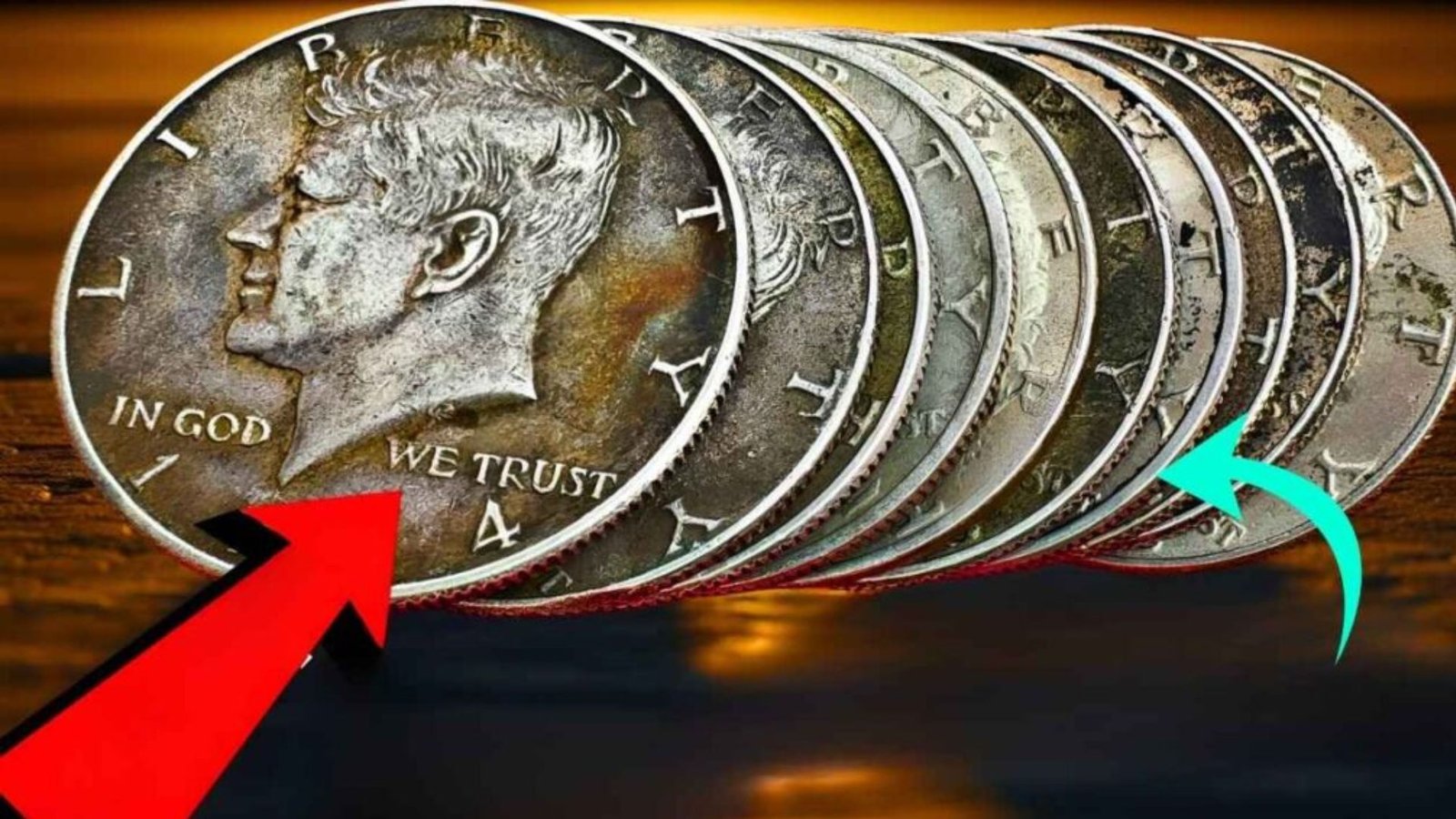
Are you a coin collector or just someone who loves hunting for hidden treasures? The Kennedy Half Dollar is one of the most famous U.S. coins, created to honor President John F. Kennedy after his death in 1963. First made in 1964, these coins started with a lot of silver in them, but over time, the mix changed to save costs. While most are common and worth just 50 cents, some rare versions can sell for thousands of dollars or more. In this guide, we’ll explore the rarest ones in simple terms, explain why they’re valuable, and share tips on spotting them. Whether you’re new to collecting or a pro, these insights could help you find a fortune in your pocket change!
What Makes Kennedy Half Dollars So Special?
The Kennedy Half Dollar shows President Kennedy’s face on one side (called the obverse) and an eagle on the other (the reverse). It was rushed into production in 1964, right after his assassination, as a way for Americans to remember him. Early ones are made of 90% silver, which gives them extra value because silver prices go up over time. From 1965 to 1970, they had 40% silver, and after that, they’re mostly copper with a nickel coating – no real silver.

What turns a regular coin into a rare gem? Things like mistakes during making (errors), low numbers produced (low mintage), or special finishes for collectors. These factors make some coins super scarce, driving up their prices at auctions or sales.
Rare 1964 Kennedy Half Dollars: The First and Most Iconic
The 1964 coins are the originals, and they’re all silver-rich. But some stand out even more.
- Ultra-Deep Cameo Proofs: Proof coins are special versions made shiny for collectors, not everyday use. “Cameo” means the design looks frosted against a mirror-like background. Ultra-deep ones are extra perfect because early minting wasn’t as advanced. These can fetch high prices if they’re in top shape – think flawless with no scratches.
- 1964 Special Mint Set (SMS) Coins: These are a mystery! The U.S. Mint didn’t officially record making them, but a few exist with a unique smooth finish – not like regular proofs or normal coins. Because they’re so rare and their story is unknown, they often sell for tens of thousands of dollars.
Exciting Mint Errors That Boost Value
Mint errors happen when something goes wrong at the factory, like a machine glitch. These one-of-a-kind mistakes make coins unique and pricey.
- Off-Center Strikes: The design isn’t centered on the coin. If the date shows and the offset is big (like 50% off), it’s more valuable. Collectors love these for their weird look.
- Double Die Obverse: This error doubles parts of the design, like Kennedy’s face or words, because the mold (die) was misaligned during creation. It’s like a blurry photo but on a coin.
- Wrong Planchet Errors: Planchets are the blank metal discs before stamping. If a Kennedy design gets stamped on a quarter’s smaller planchet or even a foreign one, it’s super rare and can sell for thousands.
Low Production Years: Scarce Coins That Collectors Crave

Some years, the Mint made fewer coins, making them harder to find today, especially in perfect condition.
Top Low-Mintage Examples
- 1970-D Kennedy Half Dollar: “D” means it was made in Denver. These weren’t released to the public – only in special sets for collectors. A mint-state (like new) one is worth a lot.
- 1987-P and 1987-D: “P” is for Philadelphia. Like the 1970-D, these were only in mint sets, not for everyday use. They’re not the priciest but essential for full collections.
- Modern San Francisco Proofs: Coins from San Francisco (“S” mint mark) in recent years have low numbers. Keep them perfect, and their value might rise.
Why Silver Content Matters for Value
Silver adds built-in worth. Even common 1964 coins are worth more than 50 cents due to the metal – about $8-10 based on current silver prices. The 1965-1970 ones have less silver but still hold value for their history.
Uncirculated coins (never used, no wear) are best. If they’ve been handled a lot, they lose shine and price. Look for certified ones from services like PCGS or NGC – they grade condition on a scale (like MS-70 for perfect) and seal them in holders.
| Rare Kennedy Half Dollar Variety | Year and Mint Mark | Key Features | Estimated Value Range (in Good Condition) |
|---|---|---|---|
| Ultra-Deep Cameo Proof | 1964 (No Mint Mark) | Mirror fields, frosted design | $500 – $5,000+ |
| Special Mint Set (SMS) | 1964 | Unique finish, mysterious origin | $10,000 – $50,000+ |
| Off-Center Strike | Various (1964-1970) | Design shifted off-center | $200 – $2,000+ |
| Double Die Obverse | 1964 | Doubled images on front | $100 – $1,000+ |
| Wrong Planchet Error | Various | Stamped on wrong blank | $1,000 – $10,000+ |
| 1970-D | 1970 D | Low mintage, set-only | $50 – $500+ |
| 1987-P/D | 1987 P or D | Not circulated | $20 – $100+ |
Tips for Spotting Valuable Kennedy Half Dollars at Home

Want to check your own coins? Here’s how in easy steps:
- Check the Date and Mint Mark: Look under Kennedy’s neck for a tiny letter – no letter means Philadelphia, D for Denver, S for San Francisco.
- Test for Silver: 1964 ones ring like a bell when dropped; later clad ones thud. Or use a magnet – silver doesn’t stick.
- Look Closely with a Magnifier: Spot doubles, off-centers, or special finishes. Apps or books can help identify varieties.
- Get It Graded: Send to pros for official value boost.
- Search Smart Places: Check old family jars, bank rolls, or estate sales. You might get lucky!
Conclusion: Start Your Hunt for Rare Kennedy Treasures Today
Kennedy Half Dollars aren’t just money – they’re pieces of American history with real potential for big payoffs. From silver-rich 1964 starters to error-filled oddities and low-mintage rarities, these coins reward patient collectors. With silver prices rising and interest growing, now’s a great time to dive in. Remember, condition is key, and always buy from trusted sources to avoid fakes. Who knows? Your next find could be worth a fortune. Happy collecting!