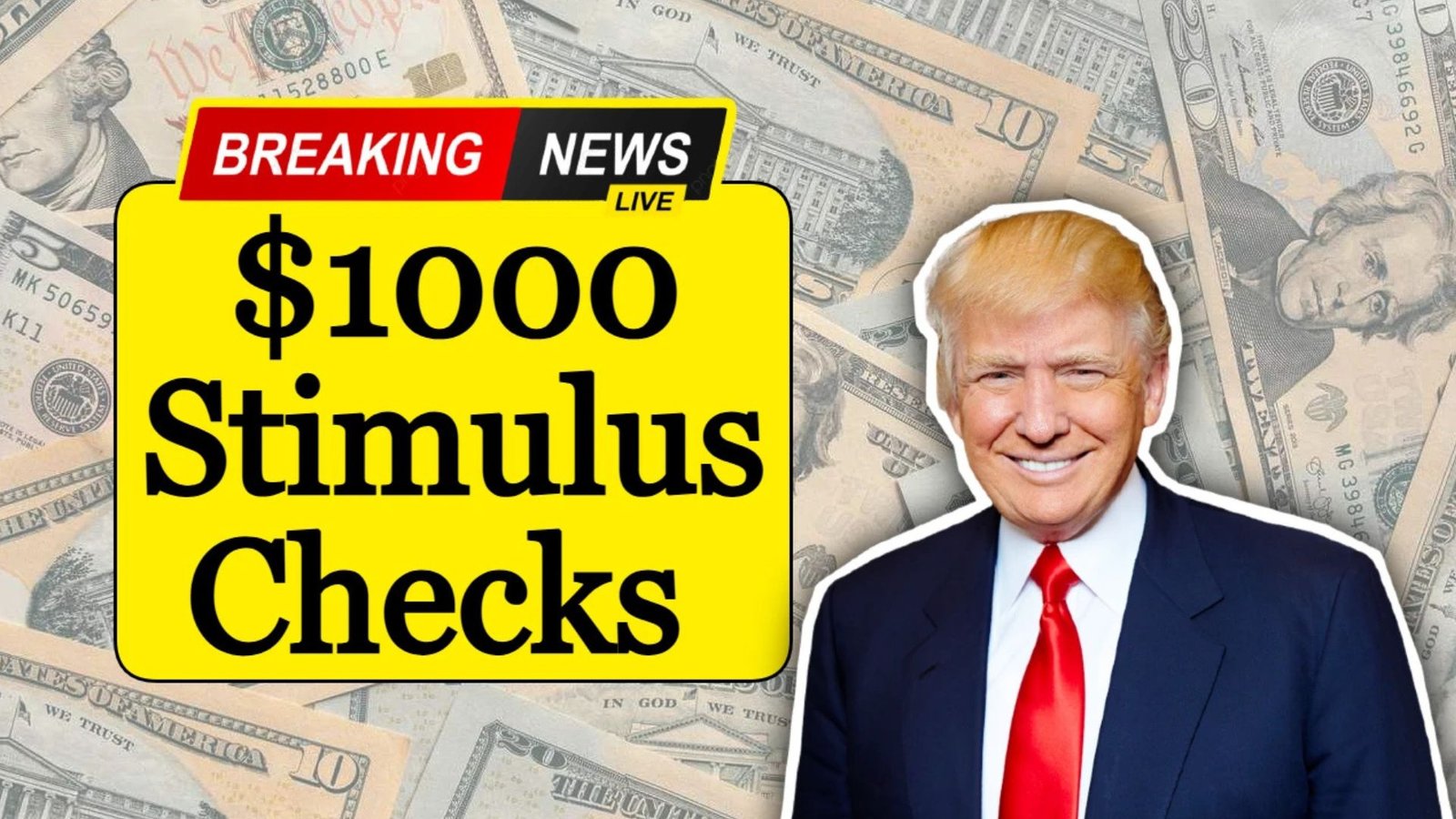
Scrambling for extra cash to handle soaring prices on groceries, rent, or medical bills? You’ve likely stumbled across viral posts promising $1,000 stimulus checks from the IRS to help out seniors, retirees, disabled individuals, and everyday families. These stories claim the money is on its way via direct deposit or mail to fight inflation’s bite, with millions supposedly benefiting. But in the midst of economic jitters, is this a real lifeline or just another online trick?
In this no-nonsense guide, we’ll dive into the latest buzz, reveal why it’s all smoke and mirrors, and arm you with facts on genuine support. If you’re on a fixed income or scrolling social media for hope, we’ll unpack fake rules, nonexistent dates, scam red flags, and solid alternatives like SSI or tax credits. As of December 13, 2025, the IRS has shut down these claims—no new checks are coming. Keywords like “$1000 stimulus checks 2024 latest news,” “$1000 IRS payment eligibility,” and “is the $1000 stimulus real” brought you here—let’s clear the confusion with straightforward truths.

This article serves as your fact-check toolkit, helping you navigate hype and secure real relief in uncertain times.
What’s Fueling the $1,000 Stimulus Check Chatter?
The latest wave of rumors paints a picture of $1,000 cash handouts from the government, aimed at easing the squeeze from higher costs on basics like food and utilities. It’s supposedly a fresh round of aid, targeting vulnerable groups like older adults, those unable to work due to health issues, and low-wage earners. Shared widely on platforms like Facebook and TikTok, these tales often include doctored videos or screenshots mimicking news outlets, racking up millions of views and shares.
The Root of These Viral Falsehoods
Economic worries make people ripe for quick-fix promises, especially around holidays or tax season. A big culprit? A manipulated clip from a June 2023 CBS News report on credit card debt, twisted to sound like IRS confirmation. Fact-checkers like TrueMedia.org exposed it as fake, but it still spreads like wildfire. These stories recycle bits from real 2020-2021 pandemic relief but add unproven twists—no bill in Congress means no bucks.
Is the $1,000 Stimulus Check Actually Happening?

Flat out: No. The IRS has repeatedly stated there’s no approved $1,000 payment program for 2024 or 2025. The three prior Economic Impact Payments (those COVID checks of $1,200, $600, and $1,400) wrapped up years ago, and nothing new is in the works. Spokespeople emphasize checking irs.gov for truths, warning that social media misinformation preys on folks in need. While unclaimed credits from old rounds linger, that’s not fresh cash—it’s recovery mode.
Don’t despair—reliable aids like monthly Social Security boosts or state rebates fill the gap without the drama.
Snapshot: Rumor vs. Reality in a Table
For instant clarity, here’s a table pitting the myths against what’s verified:
| Aspect | Rumor Details | Real Status |
|---|---|---|
| Program Name | $1,000 Stimulus Checks | No program; old EIPs ended in 2022 |
| Amount | $1,000 per eligible person | N/A—claim past credits via taxes |
| Run By | IRS (claimed) | N/A; IRS denies any new rounds |
| Target Groups | Seniors, disabled, low-income families | No; focus on real benefits like SSI |
| Payment Method | Direct deposit or mailed check | N/A |
| Status | “Coming soon via viral video” | Fake—debunked by IRS and fact-checkers |
| Official Source | Social media/Facebook videos | irs.gov only—always verify here |
| Total Reach | “Millions affected” | Unverified hype; no allocation |

This quick chart highlights the disconnect—perfect for shutting down group chat myths.
Dissecting the Bogus Eligibility Criteria
To hook readers, these posts toss out loose “rules,” but they’re vague copies of past aid guidelines. Broken down simply:
- Group Focus: Aimed at retirees over 65, people with disabilities preventing work, or households scraping by on under $50,000 a year.
- Residency Basics: U.S. citizens or legal residents with a valid Social Security number.
- Income or Need Proof: Low earnings or proof of financial hardship, like high medical bills.
- Filing Tie-In: Supposedly auto-sent if you filed recent taxes, with extras for dependents.
- No Strings?: Some claim no application needed—just wait for deposit.
Catch: It’s all fluff. No specifics because no program’s real. This setup lures clicks and data grabs, not dollars. Genuine eligibility for aids like Supplemental Security Income (SSI) requires actual proof at ssa.gov.
“Application Steps”? A Classic Scam Hook
Many tales skip details or push “update your IRS info” links—don’t click. There’s no form because there’s no payout. These funnel to phishing traps stealing your personal details for identity theft. The IRS never demands fees or urgent sign-ups via email or shady sites.
Real help? File taxes accurately to snag unclaimed credits—free and secure.
Warning Signs: Spotting Stimulus Scams Fast
- Sensational Hooks: “IRS confirms $1,000 for you—claim now!”—too flashy.
- Manipulated Media: Videos or clips that look off, like edited news footage.
- Data Demands: Asks for SSN, bank info, or payment upfront? Huge red flag.
- Unofficial Urgency: “Limited time—act before Dec 31!”—government moves slow and steady.
Spot one? Report to ftc.gov and alert contacts to save headaches.
Payment Dates: Empty Promises, No Timeline
Rumors float “end-of-year deposits” or “January 2025 waves,” often tied to your birthdate or tax ID. Some even promise “automatic” hits post-viral video. Reality: Zero schedule exists. For legit unclaimed EIPs, refunds come during tax season—file by April 15, 2025, for processing in weeks.
Use the IRS “Where’s My Refund?” tool for actual tracking.
Genuine Alternatives: Real Aid You Can Access Now
Skip the fantasies—here’s what’s delivering in 2025:
- Unclaimed EIP Credits: Recover up to $1,400 from 2021 on your 2024 taxes via Recovery Rebate Credit.
- SSI for Low Earners: Monthly payments up to $943 for disabled, seniors, or blind with limited assets—apply at ssa.gov.
- Social Security COLA: 2.5% bump adds $40-100 monthly to retirement checks starting January.
- State-Specific Rebates: California or New York offers $200-$700 one-offs; check your treasury site.
- SNAP and LIHEAP: Food aid up to $291/person or bill assistance—dial 211 or visit benefits.gov.
These stack up to thousands yearly. Run a quick screener at benefits.gov for tailored fits.
Stay Sharp: Tips to Dodge Rumor Pitfalls
- Source Check: Head straight to irs.gov or ssa.gov—skip social shares.
- Verify Videos: Use tools like TrueMedia.org for manipulated media.
- Protect Privacy: Never share sensitive info outside official portals.
- Budget Real Wins: Track legit benefits with free apps for peace.
- Spread Facts: Gently correct loved ones with links to irs.gov.
These moves keep you safe and informed.
Conclusion
The $1,000 stimulus checks frenzy for 2024-2025 is textbook misinformation—fueled by edited videos and economic fears, but zeroed out by the IRS with no eligibility, dates, or dollars to back it. While it underscores real struggles for seniors and low-income households, falling for it risks scams over solutions. The true power lies in proven programs like SSI, COLA adjustments, and tax credits—they offer steady, scam-free support to millions. Take charge today: Visit irs.gov to check unclaimed aid or ssa.gov for benefits—simple steps yield real results. In a world of noise, facts are your anchor. Stay skeptical, stay secure, and build a stronger financial footing into 2025.