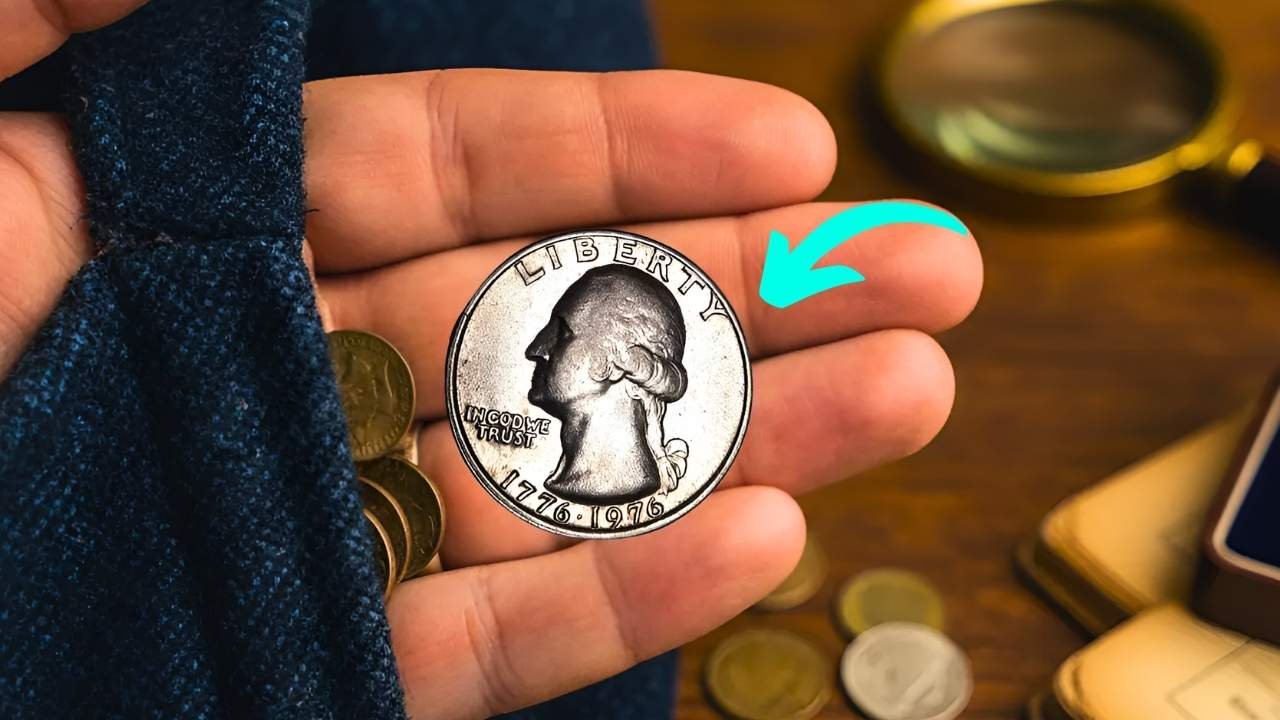
Remember flipping through your grandma’s coin jar and spotting that shiny quarter with the drummer boy? That 1976 Bicentennial quarter, celebrating America’s 200th birthday, might be more than a fun memory—it’s surging in value like never before. In 2025, with coin collecting exploding online and silver prices hitting new highs, certain Bicentennial quarters are fetching up to $45,000 or more at auctions. While billions were minted, making most worth just 25 cents, rare silver versions, mint mistakes, and top-condition pieces are turning everyday finds into serious cash. What makes this coin so hot? Let’s uncover the history, the hype, and how you can spot a winner hiding in your pocket.
The Story Behind the Coveted Bicentennial Quarter
Minted in 1975 and 1976 to mark the U.S.’s 200th anniversary, these special Washington quarters swapped the eagle reverse for a bold design: a drummer boy flanked by a torch and 13 stars for the original colonies. The front keeps George Washington but adds a dual date—1776-1976—for that patriotic punch. Over 4 billion were produced across Philadelphia (no mint mark), Denver (“D”), and San Francisco (“S”), plus limited silver-clad proofs for collectors.

But here’s the kicker: While clad (copper-nickel) ones circulated like crazy, the 40% silver San Francisco proofs—sold only in sets—weigh more (about 5.75 grams vs. 5.67 grams) and shine brighter. In 2025, nostalgia plus smart investing has spiked demand, with Heritage Auctions reporting 25% higher bids on pristine examples. Errors from rushed production? They’re the real stars, making flawed coins flawless treasures.
Why Bicentennial Quarters Are Surging in Value Now
Coin values aren’t magic—they’re driven by simple factors, but 2025’s market is on fire:
Key Drivers of the Value Boom
- Rarity Rules: Low-mintage silver proofs or one-off errors mean fewer coins chase more buyers.
- Condition is King: Graded MS-68+ (mint state, near-perfect) or PR-70 (proof) by PCGS/NGC? Expect 5-10x premiums. Scratches kill the shine.
- Error Excitement: Factory flubs like double stamps or clipped edges are super rare and story-worthy.
- Silver Sparkle: 40% silver content adds melt value ($5-7 each), but collectors pay way more for history.
- Market Momentum: With inflation up and hobbies booming, online sales via eBay and apps have flooded new hunters in. Prices for top errors jumped 30% this year alone.
Forget the hype about $3 million quarters—that’s clickbait. Real surges come from verified auctions, where a silver gem hit $19,200 recently. Demand for “full bands” (sharp torch lines) and rainbow toning is pushing values higher.
Top Valuable Bicentennial Quarter Varieties to Hunt in 2025

Not all 1976 quarters are equal. Here’s the cream of the crop, based on fresh auction data. Focus on the “S” for silver or errors like doubled dies (stamped twice, blurring letters/dates).
Silver Proof Standouts
The San Francisco “S” silver-clad proofs steal the show. A 1976-S MS-69 sold for $9,250, thanks to its mirror-like fields and frosted devices. Even circulated ones fetch $10-20, but gems soar.
Error Coins That Pay Big
Mint goof-ups during the bicentennial rush created unicorns. A Denver double die (FS-101 code) with bold doubling on the date? Up to $10,000 if crisp. Clipped planchets (missing chunks) start at $89 but climb with severity.

Here’s a quick value table for 2025 hotspots (estimates for top grades; circulated much lower):
| Variety/Type | Key Feature | Mintage/Scarcity | Top Auction Value (USD) |
|---|---|---|---|
| 1976-S Silver Proof | 40% silver, proof set | ~4 million | $9,250 (MS-69) |
| 1976-D Double Die Obverse | FS-101 doubling on date | Very low | $10,000 |
| 1976-P MS-67+ | Pristine clad, full bands | Common but rare grade | $45,000 |
| 1976-D MS-68 | High-grade Denver clad | Common | $45,000 |
| 1976-S MS-69 Silver | Top silver clad | Limited | $19,200 |
| Clipped Planchet Error | Missing edge piece | Error rarity | $89+ |
| Off-Center Strike | Design shifted | Varies | $500-$2,000 |
Data from PCGS, Heritage, and recent sales—silver ones dominate due to weight and luster. No $250 million myths here; stick to facts for real wins.
How to Spot a Coveted Bicentennial Quarter in Your Stash
Ready to play detective? Simple steps to ID a surge-worthy find:
- Weigh It: Silver “S” versions tip 5.75g—use a kitchen scale. Clad? 5.67g.
- Check the Mint Mark: Tiny “S” below Washington’s neck? Potential silver proof jackpot.
- Hunt for Errors: Magnify the date and “LIBERTY”—doubling? Or edges clipped/missing? Score!
- Assess Shine: No wear, full torch lines split clearly? Pro-grade it fast.
- Avoid Fakes: Clean coins lose 80% value—don’t polish! Test silver with a magnet (clad sticks slightly).
Apps like CoinSnap or PCGS CoinFacts make spotting easy. Found one? Submit to NGC/PCGS for certification—it can triple the price.
Where to Sell Your Bicentennial Treasure for Max Cash
- Quick Flip: Local coin shops or eBay for errors under $1,000.
- Big Bucks: Heritage or Stack’s Bowers auctions for silver/proof gems—fees apply, but bids soar.
- Track Trends: Follow Greysheet for 2025 updates; silver surges could push values 20% higher.
Wrapping Up: Why This Coin’s Surge Makes Now the Time to Hunt
The Bicentennial quarter isn’t just surging—it’s a collector’s fever dream, blending history, rarity, and easy access. From silver proofs worth $19,200 to error flips at $10,000, what makes it coveted? That perfect mix of patriotism and scarcity in a world craving tangible wins. In 2025, with markets buzzing, dig out those old rolls—your 25-cent piece could fund a dream vacation. Stay real amid the hype, consult experts, and happy hunting. Who knows? America’s birthday gift might just gift you back!