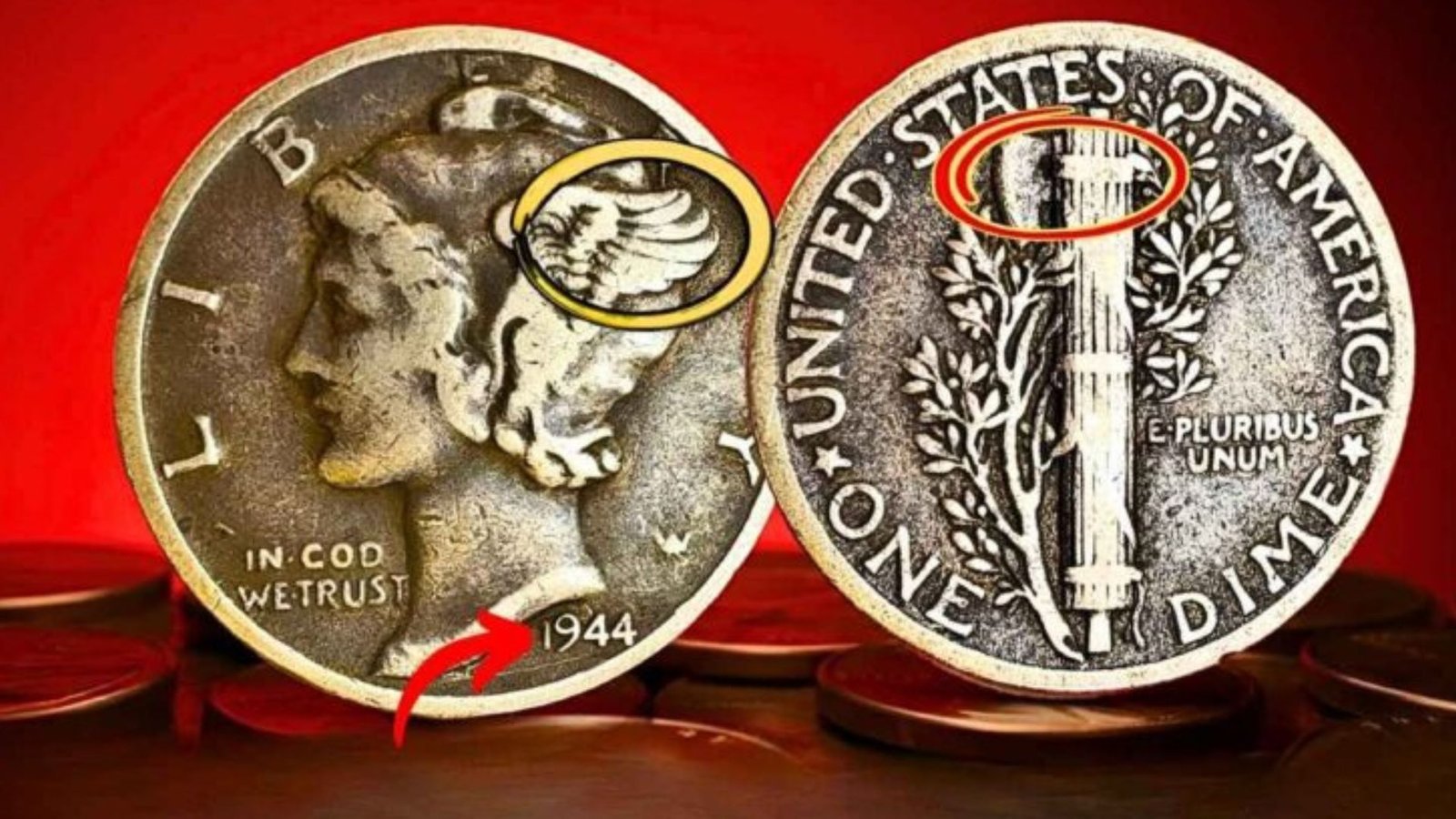
Dimes are the smallest U.S. coins, but some pack a huge punch in value. Since the first ones rolled out in 1796, these 10-cent pieces have been made from silver, then switched to cheaper metals. Most today are worth just a dime, but rare ones from old designs or mint mistakes can fetch thousands – even millions! If you’re into coin hunting or just curious, this guide uncovers eight top rare dimes in simple terms. We’ll explain why they’re special, how to spot them, and where to look. Your next coffee change could be a jackpot!
A Quick History of U.S. Dimes: From Silver to Errors
U.S. dimes started as silver coins to make trade easy. Early designs like Liberty Seated showed a lady on a chair, while Barber and Mercury types (with a winged hat) added style. In 1965, they went “clad” – a copper core with nickel outside – to save silver. Rarity comes from low numbers made, factory slip-ups (like wrong dates or missing parts), or top-notch condition. Age isn’t everything; even new-ish errors can shine.
The Top 8 Rare Dimes That Could Make You Rich
1. 1894-S Barber Dime: The Ultimate Rarity King

This dime from the San Francisco Mint (“S” mark) had only 24 ever made – a tiny test run. Fewer than 10 survive today, thanks to mystery production and many getting melted. It features Lady Liberty with flowing hair.
Top value: Up to $2 million+ at auctions.
2. 1916-D Mercury Dime: The Tough First-Year Find
The Mercury dime (really Winged Liberty) debuted in 1916 with a cool winged cap. Denver (“D”) made just a few, and most got worn out fast. Sharp examples are super hard to grab.
Top value: $10,000 to $100,000+ in mint condition.
3. 1942/41 Mercury Dime Overdate: A Date Disaster Turned Treasure
A 1941 die got punched with a 1942 date by mistake, leaving blurry overlapping numbers. This error makes it one of the most wanted Mercury dimes – clear overdates are the prize.
Top value: $5,000 to $50,000+.
4. 1919-D Mercury Dime: Scarce Survivor from Tough Times

Another Denver low-run year, where heavy use in daily spending wiped out most high-quality ones. Collectors chase the few with crisp details.
Top value: $1,000 to $20,000+.
5. 1874-CC Liberty Seated Dime: Wild West Mint Magic
From the Carson City Mint (“CC” mark) in Nevada – famous for silver rushes. Low output and many lost or melted make survivors rare gems showing Liberty seated with stars.
Top value: $500 to $10,000+.
6. 1982 No-Mint-Mark Dime: Modern Philly Flub
Philadelphia usually skips the mint mark, but in 1982, a batch missed what should have been there – turning normals into errors. Easy to overlook but hot with fans.
Top value: $200 to $2,000+.
7. Missing Clad Layer Dimes: Copper Surprise Errors

Post-1965 dimes should have a shiny nickel skin over copper. When it fails to stick, you get a reddish, bare-copper look – like a penny in dime clothes.
Top value: $100 to $1,000+.
8. Off-Center Strike Dimes: Wonky Design Wonders
If the stamping machine slips, the picture shifts sideways, cutting off edges. Big shifts (50%+) with the date still visible are the real moneymakers – dramatic and unique.
Top value: $50 to $500+.
| Rank | Dime Variety | Year & Mint Mark | Key Spotting Tip | Top Value Range (Excellent Condition) |
|---|---|---|---|---|
| 1 | Barber Dime | 1894-S | Tiny “S” under wreath, ultra-rare | $100,000 – $2,000,000+ |
| 2 | Mercury Dime | 1916-D | “D” mark, full wing details | $10,000 – $100,000+ |
| 3 | Mercury Overdate | 1942/41 | Blurry “1” under “2” in date | $5,000 – $50,000+ |
| 4 | Mercury Dime | 1919-D | “D” mark, minimal wear on face | $1,000 – $20,000+ |
| 5 | Liberty Seated Dime | 1874-CC | “CC” below bow, seated Liberty | $500 – $10,000+ |
| 6 | Roosevelt Dime Error | 1982 (No Mark) | No mark above date, from Philly | $200 – $2,000+ |
| 7 | Clad Layer Error | Modern (1965+) | Copper color, no silver shine | $100 – $1,000+ |
| 8 | Off-Center Strike | Any Modern | Design shifted, date visible | $50 – $500+ |
Simple Ways to Hunt for Rare Dimes Right Now
Spotting these takes basic tools and eyes:
- Grab a Magnifier: 10x loupe to check dates, marks (tiny letters near the bottom), and weird spots like doubles or shifts.
- Feel the Weight and Look: Old silver ones (pre-1965) ring high and weigh 2.5 grams; errors feel off or look colorful.
- Condition Check: No scratches, bright shine? That’s gold. Worn ones still sell but less.
- Hunt Hot Spots: Dig into grandma’s jars, bank rolls from old accounts, flea markets, or even your wallet – errors hide in plain sight.
- Verify with Pros: Snap pics and post on coin forums, or send to graders like PCGS for real worth.
Don’t polish them – it kills value! Just keep ’em safe in folders.
Conclusion: Turn Your Loose Change into Lasting Wealth
Rare dimes aren’t just shiny metal; they’re time capsules of American stories – from frontier mints to factory goofs. The eight we’ve spotlighted, like the million-dollar 1894-S or sneaky modern errors, show treasures hide everywhere. With billions of dimes out there, your everyday search could uncover a life-changer. Start today: sort that drawer, hit a show, and dream big. Who knows? One flip could fund your next adventure. Happy dime diving!