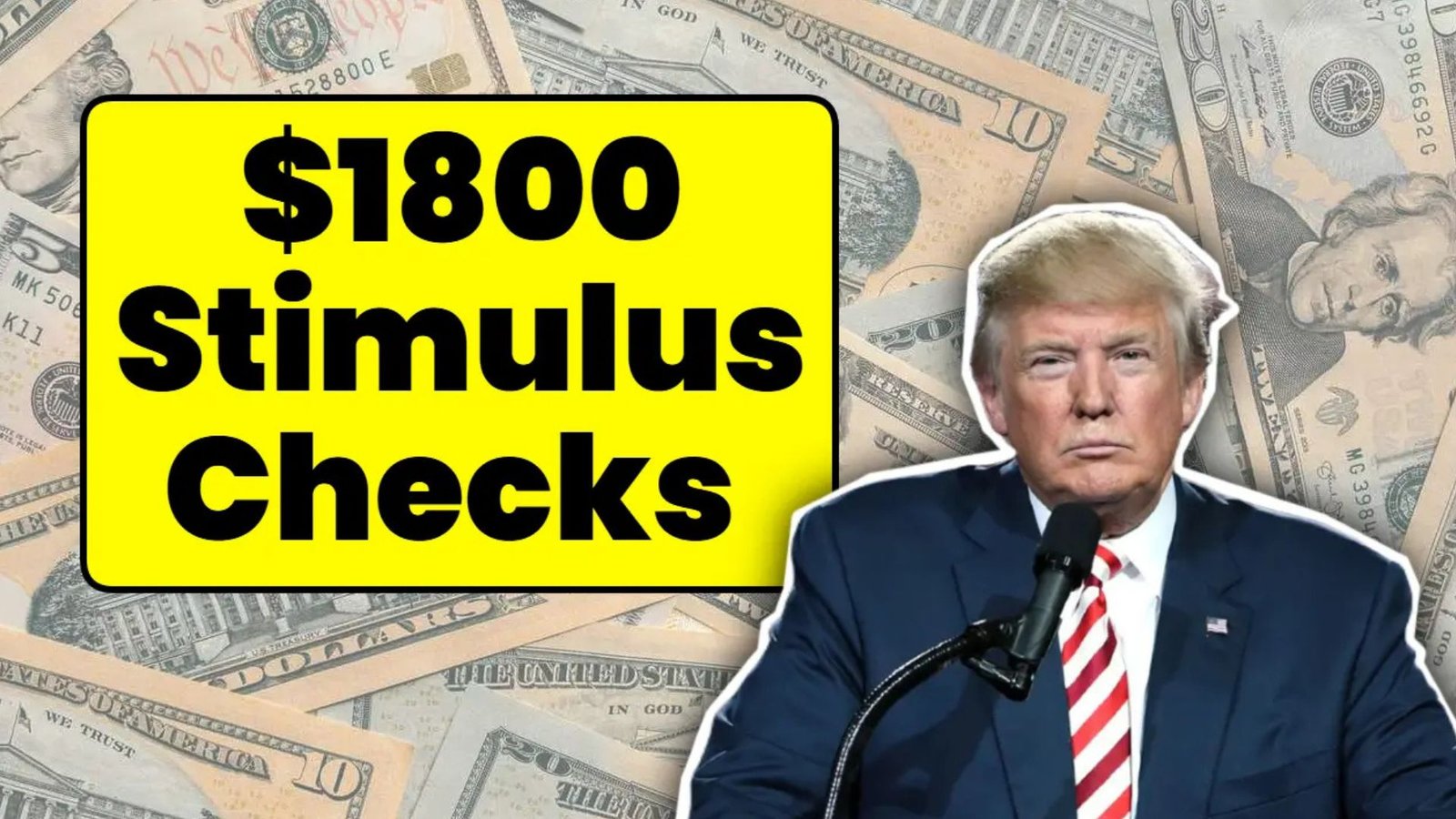
Tired of hearing whispers about free cash from the government? Social media is buzzing with claims of $1,800 “Trump stimulus checks” set to drop in late 2024 or early 2025, especially for folks on Social Security, disability benefits, or veterans’ aid. These stories promise quick relief for rising bills and holiday stress, but are they legit? In this no-nonsense guide, we’ll peel back the layers on these viral tales, explain why they’re mostly smoke and mirrors, and share actual ways to get financial support.
If you’re on SSI, SSDI, VA payments, or just pinching pennies, read on—we’ll cover fake rules, phony timelines, scam warnings, and trusted alternatives. As of December 13, 2025, no such checks exist, but knowing the facts can keep you safe. Keywords like “$1800 Trump stimulus checks eligibility,” “Trump stimulus payment dates 2025,” and “is the $1800 Trump check real” led you here—let’s cut through the hype.

This article is your shield against misinformation on economic relief. We’ll use plain talk to debunk the buzz and highlight real help.
What’s Behind the $1,800 Trump Stimulus Check Talk?
The chatter centers on supposed one-time payments of $1,800 tied to President-elect Donald Trump’s return to office. These would allegedly help everyday people hit by high prices on groceries, rent, and energy. It’s pitched as a nod to past pandemic aid, where Trump signed off on two rounds totaling $1,200 and $600 per person back in 2020.
Where Do These Rumors Come From?
They exploded on sites like Facebook, YouTube, and blogs after the 2024 election, often linking the idea to Trump’s campaign hints about using tariff money or efficiency savings for rebates. But experts from the IRS, CBS News, and PolitiFact call it out: No bill has passed Congress, and without that, no checks are coming. It’s clickbait fueled by economic worries, preying on hopes for easy money. Remember, real stimulus needs lawmaker approval—something missing here.
Is the $1,800 Trump Check Actually Happening?

Bottom line: No. As of now, the IRS confirms no new stimulus program for $1,800 payments in 2024 or 2025. Past checks were emergency responses to COVID shutdowns, authorized by Congress and signed by Trump and Biden. Today’s economy isn’t in crisis mode, so experts like those at the Tax Foundation say another round is “highly unlikely” without a recession trigger. Social media posts claiming “automatic deposits” are false alarms designed to snag your info.
That said, unclaimed pandemic credits are still out there—up to $1,400 if you missed filing for 2021. But nothing Trump-specific at $1,800.
Fast Facts: Rumor vs. Reality Table
Here’s a clear table comparing the hype to what’s true:
| Aspect | Rumor Details | Reality Check |
|---|---|---|
| Program Name | Trump Stimulus Checks | No official program; just speculation |
| Amount | $1,800 per person | N/A—IRS not issuing new checks |
| Run By | IRS/Department of Treasury | N/A; requires Congress approval |
| Target Groups | SSI, SSDI, VA recipients | No; focus on real benefits like those |
| Payment Method | Direct deposit or mail | N/A |
| Start Date | After January 2025 | No dates set; rumors debunked by IRS |
| Eligibility Basis | Income under $75K/$150K for couples | False; based on old pandemic rules |
| Official Confirmation | “Proposed after election” | None—check IRS.gov for facts |

This quick reference shows the gap between wishful thinking and what’s real. Share it to stop the chain of fake news.
Sorting Out the Made-Up Eligibility Rules
Fake posts list “qualifiers” to sound official, but they’re recycled from 2020. In simple terms:
- Income Caps: Singles earning up to $75,000 or couples up to $150,000 supposedly get the full amount—phasing out above that.
- Benefit Recipients: Auto-qualify if you’re on Supplemental Security Income (SSI) for low-income needs, Social Security Disability Insurance (SSDI) for work-stopping health issues, or VA benefits for veterans.
- Family Add-Ons: Extra $500-$600 per kid under 17.
- U.S. Residency: Must have a valid Social Security number and live stateside.
Catch? It’s all invented. No one qualifies because no program’s live. Scammers use this to target vulnerable groups like seniors and vets. For real aid, stick to proven programs—eligibility there hinges on actual income, medical records, or service history.
“Applying” for the Check? Big Red Flag
Rumors often include “steps” like updating IRS info or clicking shady links. Skip it—there’s no form because there’s no payout. This is classic phishing: Crooks want your Social Security number or bank details for theft.
True government help is free and goes through secure channels. If a site charges a fee or demands quick action, run.
Spotting Scams: Warning Signs
- Urgent Alerts: “Claim now or lose out!”—real aid isn’t rushed.
- Weird Sources: YouTube vids or blogs, not IRS.gov.
- Personal Asks: Never share info via text or email.
- Too Perfect: $1,800 for “everyone”? Sounds fishy.
Report to FTC.gov and warn others. The IRS never contacts you this way for payments.
Payment Dates: Pure Guesswork
Whispers say checks start post-January 20, 2025 (inauguration day), with direct deposits in weeks and mail checks lagging. Some tie it to tax season. But PolitiFact and CBS confirm: No timeline exists. Any real payments would need months for Congress to act, budget it, and let IRS process—likely mid-2026 at earliest for tariff ideas.
For legit updates, use IRS’s “Where’s My Refund?” tool. It tracks real refunds, not rumors.
Real Relief: What You Can Access Now
Forget fantasies—here’s solid support for 2025:
- SSI Boosts: Up to $943 monthly for low-income disabled or seniors; auto-adjusts yearly.
- SSDI Payments: Based on work history; average $1,500/month—apply at ssa.gov.
- VA Benefits: Disability or pension aid for vets; up to $3,800/month depending on needs.
- Recovery Rebate Credit: Claim missed $1,400 from 2021 on your 2024 taxes by April 2026.
- State Aids: Programs like LIHEAP for bills or SNAP for food—dial 211 for local help.
These deliver steady cash without the wait. Start with benefits.gov’s screener for personalized matches.
Pro Tips: Stay Ahead of Financial Rumors
- Verify First: Always hit IRS.gov or ssa.gov—no shortcuts.
- Update Records: File taxes on time and set direct deposit to speed real payments.
- Build a Buffer: Save small amounts now for emergencies.
- Seek Advice: Chat with a free credit counselor via nfcc.org.
- Avoid Shares: Don’t forward unconfirmed posts; fact-check with Snopes.
These steps keep you secure and informed.
Conclusion
The $1,800 Trump stimulus check buzz is a classic case of hope clashing with reality—no approval, no dates, just election-fueled hype from unreliable corners. While it’s frustrating amid ongoing costs, the upside is reliable programs like SSI, SSDI, and VA benefits provide real, ongoing help without the drama. By debunking myths and leaning on official sources, you dodge scams and claim what you’re truly owed. If you’re on benefits or low-income, check ssa.gov or va.gov today—they’re built for support like this. Stay smart, stay skeptical, and focus on facts for a steadier financial path in 2025.